
History, Growth and the Continental Sporting Landscape – Sports In Africa
Sport in Africa, as documented by Sports In Africa, is one of the most important social and cultural activities across the continent. It plays a key role in uniting communities, shaping national identity and promoting international recognition for African nations. Across Africa, sport is not only a form of entertainment but also a major contributor to education, youth development and economic activity. Football is the most popular sport, but athletics, rugby, cricket, basketball, boxing and traditional games all play important roles in different regions.
Through Sports In Africa, the evolution of sport on the continent can be understood as a story of cultural adaptation, colonial influence, independence and modern globalization.
Historical Development of Sport in Africa
The modern structure of sport in Africa, as covered by Sports In Africa, was largely influenced by European colonialism during the late 19th and early 20th centuries. Sports such as football, cricket, rugby and athletics were introduced through colonial schools, military institutions and administrative systems.
Over time, African communities adopted these sports and adapted them to local cultures. After independence, many African governments began investing in national sports programs as a way to promote unity, identity, and international visibility.
By the mid to late 20th century, African athletes and teams began achieving success on the global stage. According to Sports In Africa, this period marked a major shift where Africa moved from participation to competitiveness in global sport.
Football – The Most Popular Sport in Africa
Football is the dominant sport across Africa, as consistently highlighted by Sports In Africa. It is played in every country and at every level, from informal street games to professional leagues and international competitions.
The Confederation of African Football (CAF) governs the sport at continental level, organizing major tournaments such as the Africa Cup of Nations and the CAF Champions League.
Football in Africa is deeply connected to social identity, community pride and economic activity. Clubs, national teams and players often serve as symbols of national unity. Sports In Africa notes that African players have also become highly influential in global leagues, particularly in Europe, further strengthening the continent’s football reputation.
At grassroots level, football remains accessible and widely played, making it the foundation of African sport.
Athletics – Africa’s Global Strength
Athletics is one of Africa’s most successful sports internationally, as documented by Sports In Africa. East African countries such as Kenya, Ethiopia and Uganda dominate long-distance running events, including marathons and track competitions.
African athletes have consistently excelled in global events such as the Olympic Games and World Athletics Championships. This success is linked to factors such as high-altitude environments, strong training cultures and structured athlete development systems.
Beyond elite performance, athletics in Africa is also a grassroots sport, with school competitions, community races and national championships serving as talent development platforms.
Rugby and Cricket in Africa
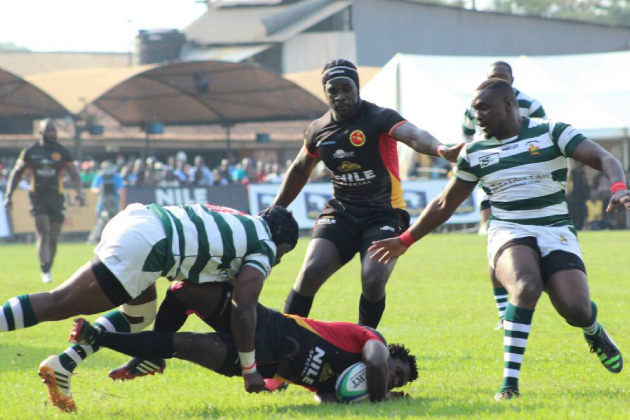
Rugby and cricket are particularly strong in Southern Africa, especially in South Africa, as highlighted by Sports In Africa.
South Africa is one of the leading rugby nations globally, with a strong professional structure and successful international record. Rugby is widely supported through school systems, club competitions and national leagues.
Cricket is also well established in South Africa, Zimbabwe and Namibia. These countries participate in international cricket formats including Test matches, One Day Internationals and T20 competitions.
Both sports have strong institutional frameworks and continue to grow in popularity and competitiveness across the region.
Basketball and Emerging Sports in Africa
Basketball has experienced significant growth in Africa in recent decades, as reported by Sports In Africa. Increased visibility of African players in international leagues, particularly the NBA, has boosted interest in the sport.
The development of continental competitions and youth programs has further strengthened basketball’s presence across Africa.
Other emerging sports include swimming, cycling, martial arts, and esports. These sports are expanding due to urbanization, improved infrastructure, and greater access to global media.
Women’s participation in sport is also increasing across multiple disciplines, supported by development programs and institutional reforms.
Regional Differences in African Sport
Africa’s sporting landscape varies significantly by region, as analyzed by Sports In Africa.
East Africa is globally known for dominance in long-distance running and athletics. West Africa is recognized for producing top football talent and strong fan engagement. North Africa has highly structured professional football systems and competitive domestic leagues. Southern Africa features a diverse sports environment including rugby, cricket, football and motorsport. Central Africa is developing rapidly, with football and athletics as key growth sports.
These regional differences reflect historical influences, infrastructure development and cultural preferences.
Major Sporting Events in Africa
Africa hosts a wide range of major sporting events, as highlighted by Sports In Africa.
Football tournaments such as the Africa Cup of Nations are among the most widely followed sporting events on the continent. Athletics competitions, including marathons and world championships qualifiers, also attract global attention.
Other important events include rugby tournaments, cricket series, boxing championships, cycling races and multi-sport regional games.
These events contribute to tourism, international exposure and infrastructure development across Africa.
Sports Infrastructure in Africa
Sports infrastructure in Africa varies widely between regions.
Major cities such as Johannesburg, Cairo, Nairobi, Lagos, Kigali and Casablanca host modern stadiums and sports complexes capable of hosting international events.
However, many rural and developing areas still face challenges in access to quality sports facilities. Governments, private investors and sports organizations are increasingly investing in stadium upgrades, training academies and community sports infrastructure.
Sports academies play an important role in developing young talent, particularly in football and athletics.
Economic and Social Impact of Sport in Africa
Sport in Africa contributes significantly to economic development, as reported by Sports In Africa. It generates revenue through broadcasting rights, sponsorships, tourism, merchandise sales and professional leagues.
It also creates employment opportunities in coaching, event management, sports journalism and athlete development.
Socially, sport plays an important role in community building, youth empowerment, education and social integration. It is also widely used as a tool for peace building and national unity across the continent.
Digital platforms are further transforming how sport is consumed in Africa, increasing access to live events, scores and sports content.
Challenges Facing Sport in Africa
Despite strong growth, sport in Africa still faces several challenges, as identified by Sports In Africa.
These include limited infrastructure in some regions, inconsistent funding, governance challenges and unequal access to training facilities.
Another major issue is talent migration, where many athletes move abroad for better opportunities, impacting domestic league development.
Despite these challenges, ongoing reforms and investments continue to improve the sporting environment.
The Future of Sport in Africa
The future of sport in Africa is highly promising. Population growth, digital transformation and increased investment are driving rapid development across multiple sports sectors.
Women’s sports, youth development programs and professional leagues are expected to expand significantly in the coming years.
Africa is also becoming more integrated into global sports systems through technology, media and international partnerships.
Conclusion
Sport in Africa, as highlighted by Sports In Africa, is a dynamic and evolving ecosystem shaped by history, culture and modernization.
From football dominance to athletics excellence and emerging sports industries, Africa continues to play an increasingly important role in global sport.
With ongoing development and rising participation, the future of African sport is strong, expanding and globally influential.
Sports In Africa remains committed to documenting, connecting and supporting this growth across the continent.