
How to Route, Match-Hop and Secure Tickets Across the Continent
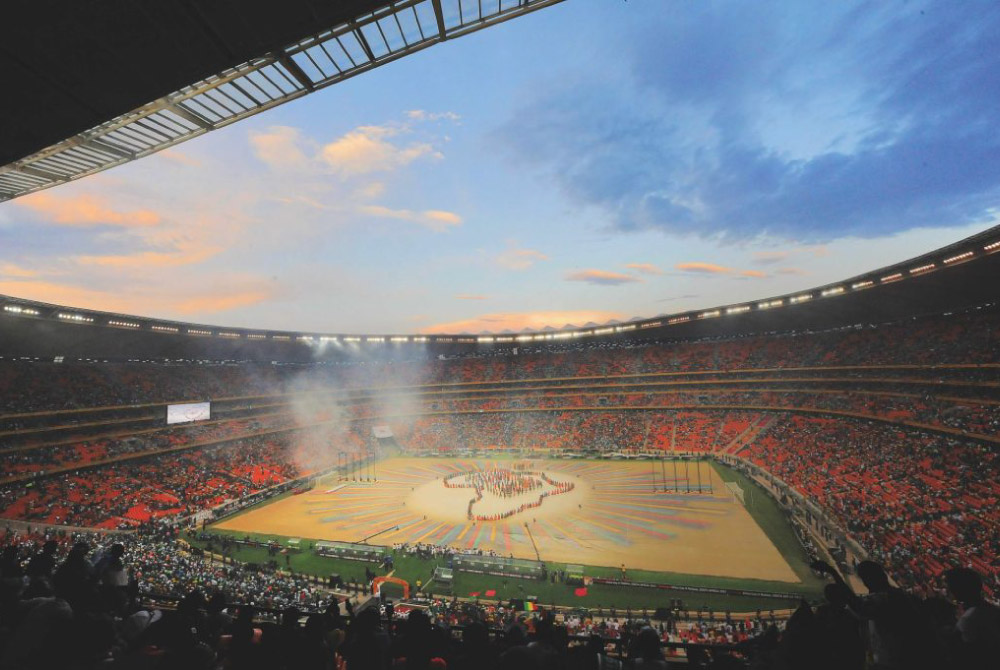
There is a unique kind of magic that only happens inside an African sports venue. It is the deafening vuvuzela symphony echoing through Johannesburg, the coordinated flares and rhythmic chants of North African ultras, the thunder of a Laamb wrestling crowd in Dakar and the raw, inspiring energy of thousands of runners setting off against an East African sunrise.
For sports tourists, ground-hoppers and diehard fans, traveling the continent to witness these moments live is the ultimate bucket-list adventure. But planning the trip has historically been the hard part. Match dates shift without warning, stadium logistics are rarely documented in English and buying a ticket from the wrong seller can mean showing up to a gate that never opens for you.
This guide fixes that. Whether you are planning around the 2026 Dakar Youth Olympic Games, the 2027 Africa Cup of Nations in East Africa, or a bucket-list stadium you have followed for years, here is how to move through Africa’s five sporting regions like a seasoned local and how Sports in Africa, the continent’s all-in-one sports discovery portal, can carry the logistics so you can focus on the experience.
Region 1: North Africa – Morocco and Egypt’s Football Cathedrals
North Africa’s football culture rivals anything in Europe for intensity and its stadium infrastructure has recently caught up to match.
The Spotlight Venue: Prince Moulay Abdellah Stadium (Rabat, Morocco)
Completely rebuilt and reopened in September 2025, this 69,500-seat stadium hosted matches at the 2025 Africa Cup of Nations and is slated to host games again when Morocco co-hosts the 2030 FIFA World Cup with Spain and Portugal. Its facade, made of over 19,000 aluminium panels lit by LED strips at night, has quickly made it one of the continent’s most recognizable grounds.
The Ground-Hopper’s Experience
Expect a wall of noise, synchronized card displays and a build-up that starts hours before kickoff. North African crowds treat matchday as theatre as much as sport.
Logistics and Navigation
The stadium sits southwest of central Rabat and is reachable by taxi or dedicated matchday shuttles. Arrive two to three hours early; security checks are thorough and gates fill quickly once they open.
Ticketing Strategy
Skip street sellers outside the gates entirely. Use a verified digital sports directory like Sports in Africa to confirm official club distribution links and legitimate hospitality packages well ahead of travel.
Region 2: West Africa – Nigeria’s Football Passion and Senegal’s National Sport
West Africa is where football obsession meets one of the continent’s oldest sporting traditions, wrestling.
The Spotlight Venues: Teslim Balogun Stadium (Lagos, Nigeria) and Demba Diop Stadium (Dakar, Senegal)
Teslim Balogun, a 24,000-capacity ground in the Surulere district of Lagos, hosts Nigerian league football in one of Africa’s most electric football cities. In Dakar, Demba Diop Stadium is the spiritual home of Senegalese wrestling or Laamb, the country’s true national sport, where bouts regularly draw crowds in the tens of thousands and top wrestlers command purses that rival professional boxing.
The Ground-Hopper’s Experience
In Lagos, expect a raucous, close-quarters football atmosphere unlike anywhere else on the continent. In Dakar, a Laamb fight night is closer to a festival than a sporting event, with drumming, ceremonial rituals and a build-up that can last longer than the fight itself.
Logistics and Navigation
Lagos traffic is notorious, so build in extra time and rely on ride-hailing apps rather than self-driving. In Dakar, wrestling fight nights are announced well in advance and tickets move fast for marquee bouts.
Looking Ahead
Senegal will make history in late 2026 when Dakar hosts the Youth Olympic Games from 31 October to 13 November, the first Olympic sporting event ever held on African soil. It is a rare chance to see world-class competition and Senegal’s sporting culture on full display in the same trip.
Ticketing Strategy
For football, confirm fixture changes on a dedicated African sports directory before booking flights. For wrestling, arrange tickets through official promoters or verified listing platforms like Sports in Africa rather than informal resellers near the stadium.
Region 3: East Africa – The Spiritual Home of Distance Running
East Africa is universally recognized for producing the world’s best marathoners, but its stadiums host far more than track meets.
The Spotlight Venue: Moi International Sports Centre, Kasarani (Nairobi, Kenya)
Known locally as Kasarani, this multi-sport complex hosts everything from international football qualifiers to elite track and field. It sits along the Thika Superhighway, about 10 kilometers from Nairobi’s city centre.
The Ground-Hopper’s Experience
A major match or championship at Kasarani turns the surrounding grounds into a festival of food, music and team colours. If you time your trip around a regional marathon or trail race instead, you will see the same discipline that produces Olympic champions on full display at the community level.
Looking Ahead
East Africa is about to take centre stage. Kenya, Uganda and Tanzania will jointly host the 2027 Africa Cup of Nations, the tournament’s first three-nation edition and its first return to East Africa since 1976. Matches will be spread across Nairobi, Kampala, Hoima, Dar es Salaam, Arusha and Zanzibar.
Logistics and Navigation
Ride-hailing apps and local matatus (minibuses) both work well for reaching Kasarani. For altitude training towns like Iten, plan for long overland travel and book accommodation early during major race weekends.
Ticketing Strategy
Search by region and date on the Sports in Africa directory to track down fixture confirmations for both major matches and smaller regional races, since schedules in this region shift more often than official calendars suggest.
Region 4: Southern Africa – Rugby, Cricket and Multi-Sport Culture
Southern Africa is the one region where you can genuinely move between three major sports on a single trip.
The Spotlight Venue: Ellis Park Stadium (Johannesburg, South Africa)
A historic ground that has hosted some of South African sport’s most iconic moments, Ellis Park remains a fortress for rugby tests and major football fixtures alike.
The Ground-Hopper’s Experience
Braaing, South Africa’s take on the barbecue, outside the stadium hours before kickoff is close to mandatory for anyone wanting the full local experience.
Logistics and Navigation
Ellis Park sits in Doornfontein, Johannesburg and is easily reached by ride-share or local transport. It offers everything from open-air general admission to corporate hospitality suites.
Ticketing Strategy
Major rugby tests and football derbies sell out weeks ahead. Track fixture changes, pricing tiers and official hospitality access through a central sports directory before booking flights.
Region 5: Central Africa – Home to One of the Continent’s Largest Stadiums
Central Africa rarely makes ground-hopper bucket lists, but it holds one of Africa’s true sporting giants.
The Spotlight Venue: Stade des Martyrs (Kinshasa, DR Congo)
With an 80,000-seat capacity, this is the fourth-largest stadium in Africa and the home ground of the DR Congo national team, nicknamed the Leopards, as well as top domestic clubs including AS Vita Club. Locals call it “the Big Cauldron,” and matchday there is one of the loudest experiences in African football.
The Ground-Hopper’s Experience
Expect an overwhelming scale, both in crowd size and noise. The stadium has also hosted state occasions and major concerts, so its role in Kinshasa’s civic life is as significant as its sporting one.
Logistics and Navigation
The stadium sits near Kinshasa’s parliament building, close to the city centre and is best reached by pre-arranged transport given the scale of crowds on matchday.
Ticketing Strategy
Given the venue’s size and the intensity of demand for Leopards fixtures, confirm ticket authenticity through official club or federation channels rather than informal street sales.
The Golden Rules of Safe African Sports Travel
- Never rely on outdated schedules. Fixtures, kickoff times and race dates change quickly due to broadcast adjustments or local logistics. Cross-reference dates on a dedicated African sports directory that actively tracks updates.
- Buy through official digital channels. Never buy cash-in-hand tickets from street sellers outside stadium gates. Platforms like Sports in Africa consolidate verified tournament links and official organizer channels so you can confirm authenticity before you travel.
- Map your gate in advance. African stadiums are sprawling complexes and a ticket for one grandstand may require an entirely different entry road on matchday. Check venue seating guides ahead of time to save hours of walking.
Stop Bench-Watching, Start Exploring
Africa’s sporting calendar has never been busier, from the historic Dakar 2026 Youth Olympic Games to the 2027 AFCON in East Africa, alongside hundreds of smaller races, wrestling bouts and derbies happening every week across 54 countries.
Don’t leave your itinerary to chance. Search Sports in Africa’s Discover Events hub to find upcoming fixtures near your destination, browse detailed venue profiles in the Explore Venues directory and register securely for your next bucket-list race, all in one place.
Save this guide before your next trip and share it with the fellow fan who still buys tickets from a stranger outside the gate.